
Write Now with Tracy Wolff
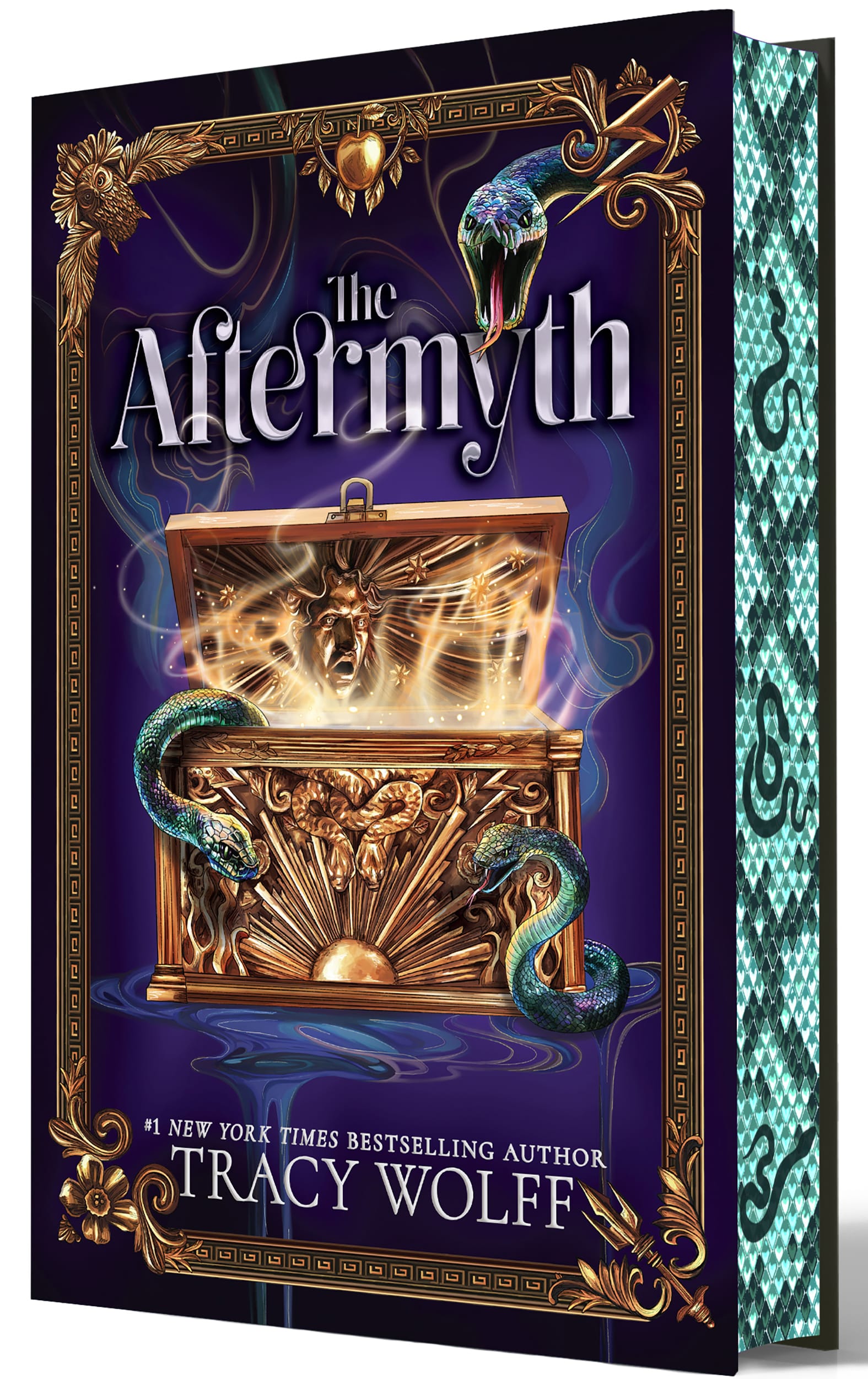
Today's Write Now interview features Tracy Wolff, New York Times Bestselling Author of THE AFTERMYTH.
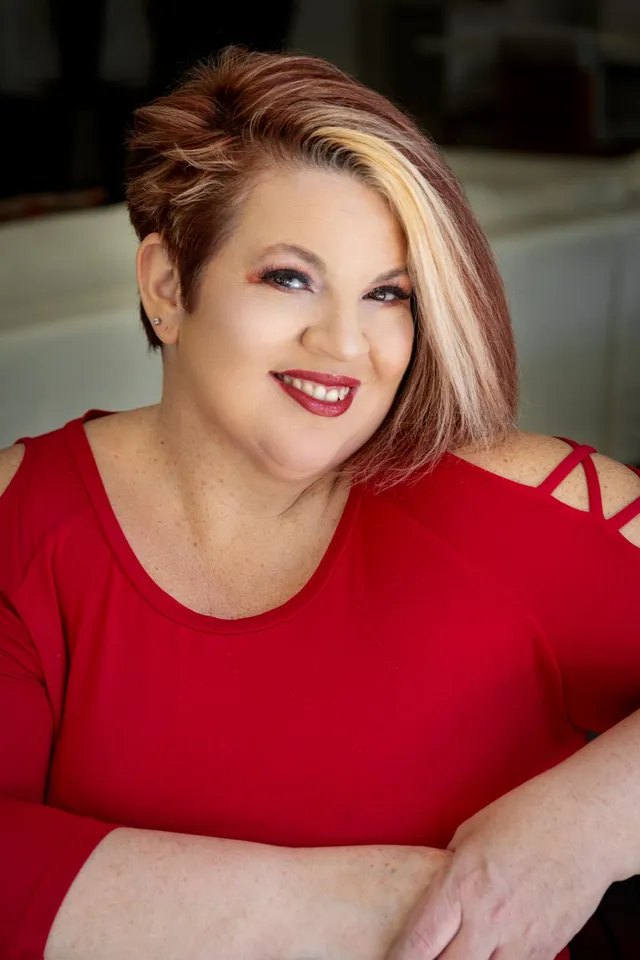
Who are you?
Hi! I’m Tracy Wolff, a writer based in Austin, Texas and the Berkshires in Massachusetts. I’m so excited to be here!
What do you write?
I write all kinds of things, but lately I’ve been writing young adult and middle grade fantasy novels, filled with magical creatures, fantastical myths, and a whole lot of things that go bump in the night.
I got started writing at an early age—when I was in second grade, I wrote my first short story and was completely and totally hooked on storytelling. From the time I wrote those first few pages with a princess and a rainbow and a happily ever after, I knew that that’s what I wanted to do. I’ve written eighty books on all different themes and topics, but the one thing they all have in common is a happy ending. I know that, in real life and sometimes in literature, things don’t always work out the way we want them to. But for me, hope is such an intrinsic part of the message I want to deliver that I steer away from writing endings that feel hopeless or sad.
Where do you write?
I tend to write in a bunch of different places, partly because each book likes to pick where it gets to be written (there’s always a place in my house that the words flow better for each book) and partly because I travel a lot for work and I’ve grown used to writing in airports, on planes and trains, and in hotel rooms late at night after a book signing or a conference. I like to write on my laptop, but I usually have a pen and notebook nearby to brainstorm, jot ideas down, or even to write a paragraph or two when I get stuck on the computer. Something about handwriting things usually gets my muse, and the story, back in gear.
When do you write?
When I’m on a tight deadline I write all the time, like twenty hours a day. That’s just how my brain works when I’m deep in a story. But my best writing time is usually around four or five in the morning until around eight or nine. I can get more (and better) words in in those four to five hours than I can get in for the rest of the day. One of my writing friends told me it’s because I conditioned my brain that way when I was a single mom with three kids and a teaching job. I would get up really early to write before I had to make breakfast and lunches and take the kids to school, so now my brain is trained to work really well in those hours.
Why do you write?
I do what I do because I can’t imagine doing something else. My brain makes up stories and characters all the time—when I’m driving, when I’m laying in bed, when I’m cooking dinner, when I’m grocery shopping. I’m always thinking what if this happened … and then I’m off, a new idea or story forming in my brain even (and by even, I mean usually) when I’m in the middle of writing a different book.
How do you overcome writer's block?
I tend to think writer’s block happens for two reasons—either something is going on in my life that is so overwhelming that I can’t turn it off or push it aside long enough to immerse myself in whatever world I’m creating or it happens because I don’t know what’s going to happen next in the story. Those two reasons are very different, so I have two very different solutions for them. For the first reason, when my real life is overwhelming for whatever reason, I try to be kind to myself. I set small time limits to write—five or ten or fifteen minutes, or maybe two or three hundred words at a time—so it doesn’t feel so overwhelming. I may not be able to block things out for hours on end when my real life feels too big or too loud, but I can do it for fifteen minutes at a time.
For the second reason—not knowing what’s going to happen next in the story—I try to stop that from happening. When I’m writing, I don’t let myself stop at the end of a scene. Instead, while my brain is firing and the words are coming, I push a few paragraphs or a couple pages into the next scene, so that I’m not starting from scratch the next day. I’ve already started the scene and I’ve usually left notes for myself on where I want the scene to go, so I am ready to write the next day instead of trying to figure out what I’m going to do. Neither of these tricks are foolproof, of course, but they’ve helped me a lot through the years.
Bonus: What do you enjoy doing when not writing?
I love to read. I collect cookbooks and enjoy trying out new recipes. One of my favorite things to do is hang out with my boys, watching movies and comedy specials or playing board games. And I love taking my two dogs for walks and playing ball with them.
My thanks to Tracy Wolff for today's interview.
Related Reads
Write Now with Sili Recio
Today's Write Now interview features Sili Recio
Write Now with Stacey Lee
Today's Write Now interview features Stacey Lee, author of HEIRESS OF NOWHERE.
Write Now with R.K. Harrington
Today's Write Now interview features R.K. Harrington, author of historical romance.
Write Now with Barbara Caver
Today's Write Now interview features Barbara Caver, author of TINY ESCAPES WITH BARB.
Write Now with Ahmad Saber
Today's Write Now interview features Ahmad Saber, author of RAMIN ABBAS HAS MAJOR QUESTIONS.
Write Now with Seema Yasmin
Today's Write Now interview features Seema Yasmin, author of THE TRUE STORY OF MAYSOON ZAYID.
Write Now with Tracy Wolff
Today's Write Now interview features Tracy Wolff, New York Times Bestselling Author of THE AFTERMYTH.
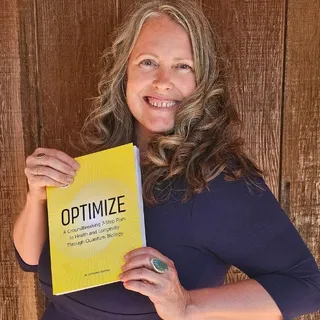
Write Now with Dr. Catherine Clinton
Today's Write Now interview features Dr. Catherine Clinton, author of OPTIMIZE: A GROUNDBREAKING 7-STEP PLAN TO HEALTH AND LONGEVITY THROUGH QUANTUM BIOLOGY.
Write Now with Maria Gianferrari
Today's Write Now interview features Maria Gianferrari, author of JUST ONE OAK.
Write Now with Dr. Alina Kastner
Today's Write Now interview features Dr. Alina Kastner, author of BREAK UP WITH NARCISSISM: HOW TO BREAK UP FREE AND STAY FREE.
Write Now with Chad Mitchell
Today's Write Now interview features Chad Mitchell, author of CHANGE YOUR GAME: EMPOWERING YOUNG LEADERS TO DITCH DOUBT, FIND THEIR VOICE, AND IMPACT THE WORLD.
Write Now with Katie Bernet
Today's Write Now interview features Katie Bernet, author of BETH IS DEAD.
Write Now with Simon Stephenson
Today's Write Now interview features Simon Stephenson, author of Pixar’s LUCA, PADDINGTON 2, and THE SNOWMAN CODE.
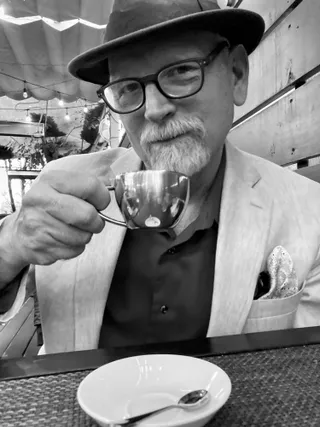
Write Now with JD Mathes
Today's Write Now interview features JD Mathes, author of OF TIME AND PUNISHMENT.
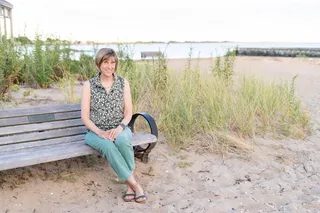
Write Now with Kelly Scarborough
Today's Write Now interview features Kelly Scarborough, author of BUTTERFLY GAMES.
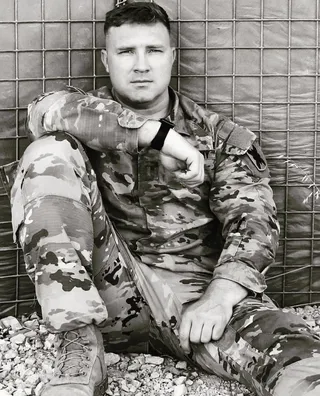
Write Now with James McDevitt
Today's Write Now interview features James McDevitt, author of A WALK AMONG HEROES.
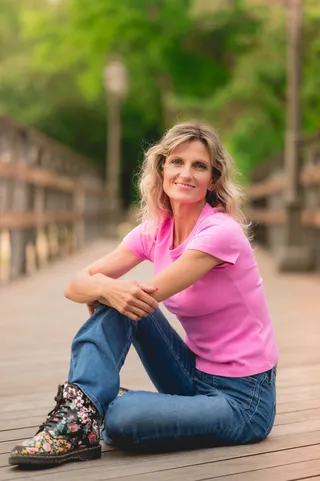
Write Now with Emily Redondo
Today's Write Now interview features Emily Redondo, author of WIFE MOTHER DRUNK: AN INTERGENERATIONAL MEMOIR OF LOSS AND LOVE.
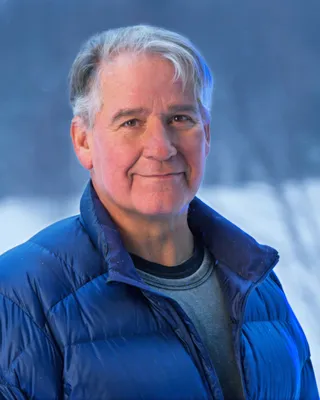
Write Now with Bryan Gruley
Today's Write Now interview features Bryan Gruley, author of multiple books including STARVATION LAKE and BITTER FROST.
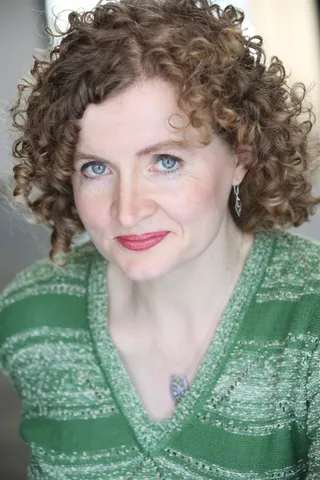
Write Now With Julie Berry
Today's Write Now interview features Julie Berry, author of IF LOOKS COULD KILL.

Write Now With Alexandra Brown Chang
Today's Write Now interview features Alexandra Brown Chang, author of BY INVITATION ONLY.
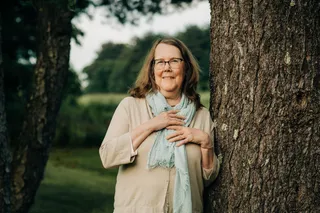
Write Now With Jeannine Atkins
Today's Write Now interview features Jeannine Atkins, author of KNOCKING ON WINDOWS.
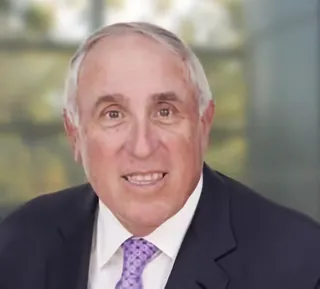
Write Now With Joseph R Bronson
Today's Write Now interview features Joseph R. Bronson, author of PARDON ME.
Write Now With Rebecca Danzenbaker
Today's Write Now interview features Rebecca Danzenbaker, author of SOULMATCH.
Write Now With Justin Colón
Today's Write Now interview features Justin Colón, author of THE ZOMBEES and VAMPURR.
Write Now With Brittney Morris
Today's Write Now interview features Brittney Morris, author of THIS BOOK MIGHT BE ABOUT ZINNIA.
Write Now With Mark B. Perry
Today's Write Now interview features Mark B. Perry, Emmy, Golden Globe, and GLAAD Award-winning author of And Introducing Dexter Gaines.
Write Now With Adam Aresty
Today's Write Now interview features Adam Aresty, author of the SKYBOY series.
Write Now With J.A. Dauber
Today's Write Now interview features J.A. Dauber, author of PRESS 1 FOR INVASION.
Write Now With Paul Vidich
Today's Write Now interview features Paul Vidich, author of THE POET’S GAME.
Write Now With Jeanne Walker Harvey
Today's Write Now interview features Jeanne Walker Harvey, author of THE GLASS PYRAMID.
Write Now With Zander Hatch
Today's Write Now interview features Zander Hatch, author of ROSE ISLAND.
Write Now With Kyle Lukoff
Today's Write Now interview features Kyle Lukoff, author of ARE YOU A FRIEND OF DOROTHY?
Write Now With DeAndra Davis
Today's Write Now interview features DeAndra Davis, author of ALL THE NOISE AT ONCE.
Write Now With Nick Berg
Today's Write Now interview features Nick Berg, author of SHADOWS OF TEHRAN.
Write Now With Kellan McDaniel
Today's Write Now interview features Kellan McDaniel, author of TILL DEATH.
Write Now With Lee Wilson
Today's Write Now interview features Lee Wilson, author of WOMEN’S CRUSADER: CATHARINE BEECHER’S UNTOLD STORY.
Write Now With Emma Otheguy
Today's Write Now interview features Emma Otheguy, author of COUSINS IN THE TIME OF MAGIC.
Write Now With Kaz Windness
Today's Write Now interview features Kaz Windness, author and illustrator of BITSY BAT, TEAM STAR.
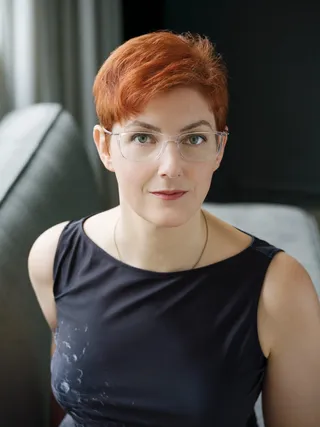
Write Now With Erika Swyler
Today's Write Now interview features Erika Swyler, author of WE LIVED ON THE HORIZON.
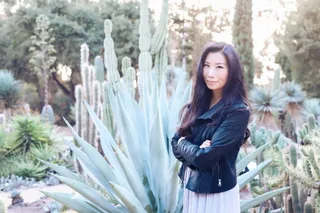
Write Now With Gloria L. Huang
Today's Write Now interview features Gloria L. Huang, author of KAYA OF THE OCEAN.
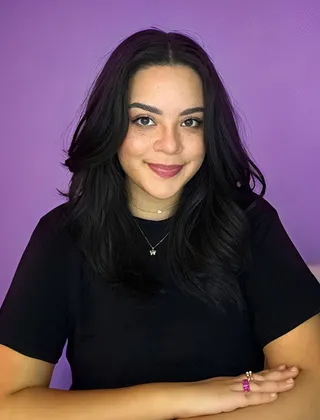
Write Now With Elba Luz
Today's Write Now interview features Elba Luz, YA author of BUILD A GIRLFRIEND.
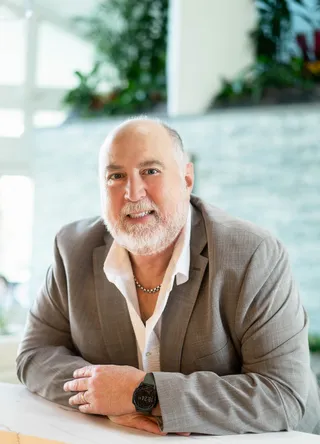
Write Now With Umberto Nardolicci
Today's Write Now interview features Umberto Nardolicci, author of EYE OF THE NOMAD.
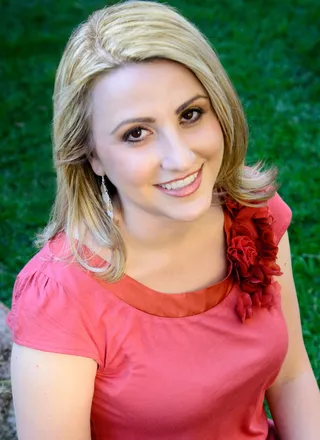
Write Now With Shannon Messenger
Today's Write Now interview features Shannon Messenger, author of the KEEPER OF THE LOST CITIES series.
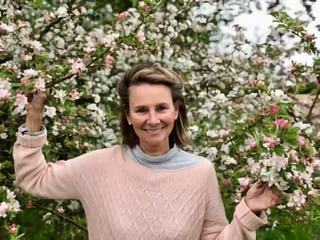
Write Now With Margaret Dulaney
Today's Write Now interview features Margaret Dulaney, author of WHIPPOORWILL WILLINGLY.
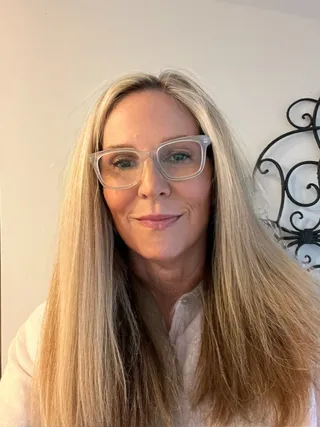
Write Now With Julia Marie Davis
Today's Write Now interview features Julia Marie Davis, author of CATBIRD and ECHOES OF FERLINGHETTI.
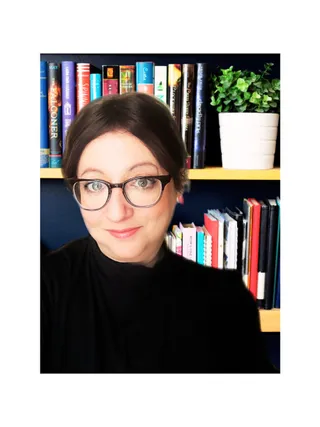
Write Now With Colleen Oakes
Today's Write Now interview features Colleen Oakes, author of ELEVEN HOUSES.
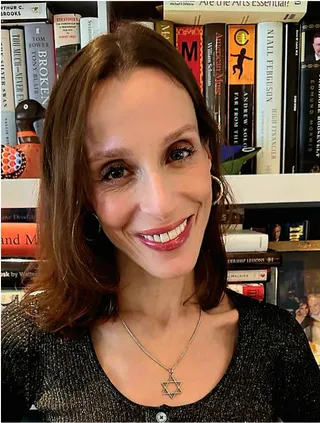
Write Now With Anya Gillinson
Today's Write Now interview features Anya Gillinson, author of DREAMING IN RUSSIAN.
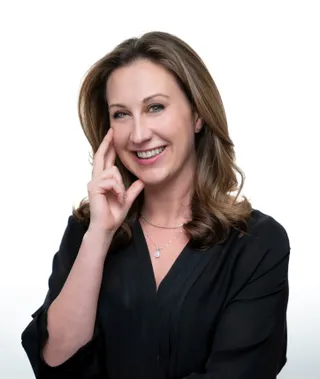
Write Now With Meredith Seacrest Leach
Today's Write Now interview features Meredith Seacrest Leach, executive director of the Ryan Seacrest Foundation and author of THE MAKE-BELIEVERS.
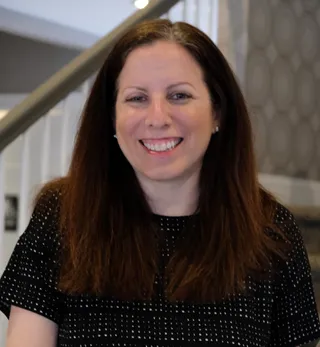
Write Now With Ariel Bernstein
Today's Write Now interview features Ariel Bernstein, children’s author of I HAVE A BALLOON and MABEL WANTS A FRIEND.
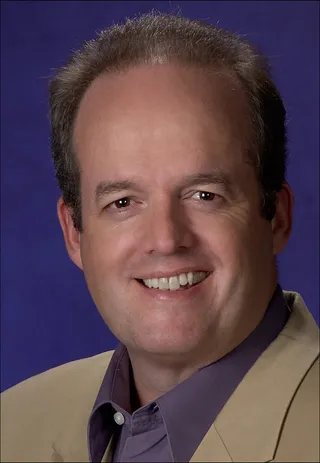
Write Now With Michael P. Spradlin
Today's Write Now interview features Michael P. Spradlin, New York Times best-selling author of RISE OF THE SPIDER.
Write Now With Ciera Burch
Today's Write Now interview features Ciera Burch, Dungeons & Dragons aficionado and author of CAMP TWISTED PINE.
Write Now With Gayle Forman
Today's Write Now interview features Gayle Forman, New York Times bestselling author of IF I STAY and NOT NOTHING.
Write Now With Christine Virnig
Today's Write Now interview features Christine Virnig, former physician, current librarian, and author of A BITE ABOVE THE REST.
Write Now With Jordan Kopy
Today's Write Now interview features Jordan Kopy, middle-grade author of THEODORA HENDRIX AND THE MONSTROUS LEAGUE OF MONSTERS.
Write Now With Alicia M. Rodriguez
Today's Write Now interview features Alicia M. Rodriguez, author of THE SHAMAN’S WIFE: A MYSTICAL JOURNEY OF SURRENDER AND SELF-DISCOVERY.
Write Now With Karen Hill Anton
Today's Write Now interview features Karen Hill Anton, author and newspaper columnist living in Japan.
Write Now With Jeffrey Dunn
Today's Write Now interview features Jeffrey Dunn, an award-winning English teacher and author.
Write Now With Anne Montgomery
Today's Write Now interview features Anne Montgomery, an author from Arizona who also spends time in St. Corix.

Write Now With Jane Buckingham
Today's Write Now interview features Jane Buckingham, a trend forecaster and author.
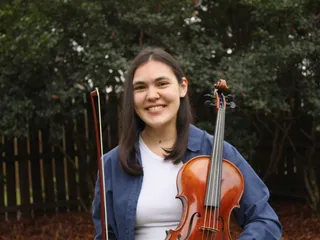
Write Now With Caroline Palmer
Today's Write Now interview features Caroline Palmer, comic creator and author of CAMP PRODIGY.
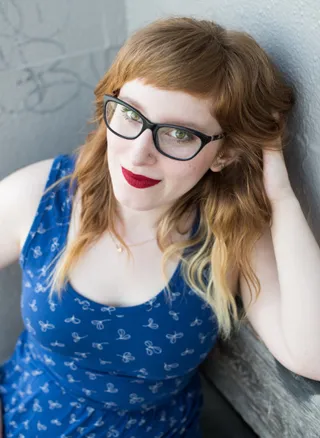
Write Now With Rachel Lynn Solomon
Today's Write Now interview features Rachel Lynn Solomon, Amsterdam-based author of PAST PRESENT FUTURE and TODAY TONIGHT TOMORROW.
Write Now With Desmond Hall
Today's Write Now interview features Desmond Hall, living in “quiet desperation” and author of BETTER MUST COME.
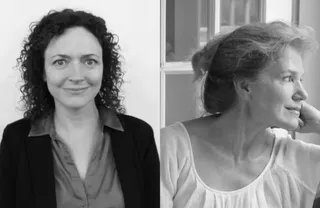
Write Now With M.M. Downing and S.J. Waugh
Today's Write Now interview features M.M. Downing and S.J. Waugh, co-authors of THE ADVENTURES OF THE FLASH GANG.
Write Now With Joe Jiménez
Today's Write Now interview features Joe Jiménez, high school English teacher and author of HOT BOY SUMMER.
Write Now With Chloe O. Davis
Today's Write Now interview features Chloe O. Davis, Broadway performer and author of The Queens’ English, The Young Readers’ LGBTQIA+ Dictionary of Lingo and Colloquial Phrases.
Write Now With Janice Lynn Mather
Today's Write Now interview features Janice Lynn Mather, Bahamian-Canadian author of WHERE WAS GOODBYE
Write Now With Marisa Kanter
Today's Write Now interview features Marisa Kanter, author of AS IF ON CUE and FINALLY FITZ.
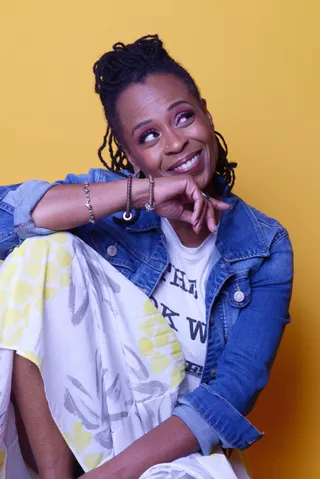
Write Now With Alicia D. Williams
Today's Write Now interview features Alicia D. Williams, author of a new novel told in verse, MID AIR.
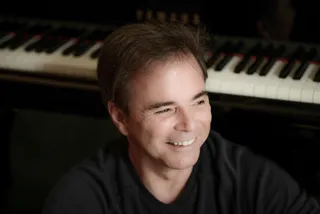
Write Now With Jim Wilson
Today's Write Now interview features Jim Wilson, the “piano tuner to the stars,” recording artist, and author of TUNED IN: MEMOIRS OF A PIANO MAN.
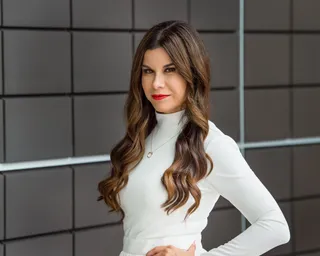
Write Now With Alysson Foti Bourque
Today's Write Now interview features Alysson Foti Bourque, an elementary education educator and author of THE ALYCAT SERIES.
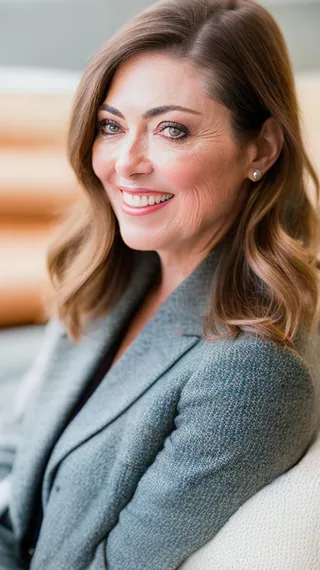
Write Now With Monica McGurk
Today's Write Now interview features Monica McGurk, corporate CEO and award-winning author of THE AGENCY.
Write Now With Glenn Miller
Today's Write Now interview features Glenn Miller, former TV production manager and author of the forthcoming novel DOORMAN WANTED.
Write Now With C. L. Lauder
Today's Write Now interview features C. L. Lauder, YA author of THE QUELLING trilogy.
Write Now With Bethany Mangle
Today's Write Now interview features Bethany Mangle, author of CONDITIONS OF A HEART.
Write Now With Clay Stafford
Today's Write Now interview features Clay Stafford, author and founder of the Killer Nashville Writers’ Conference.
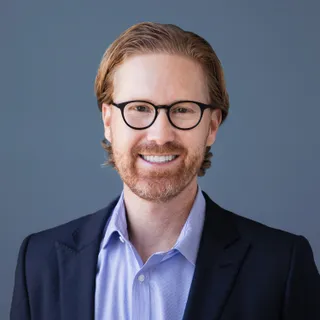
Write Now With Douglas Harris
Today's Write Now interview features Douglas Harris, a children’s author who writes with his two daughters as co-authors.
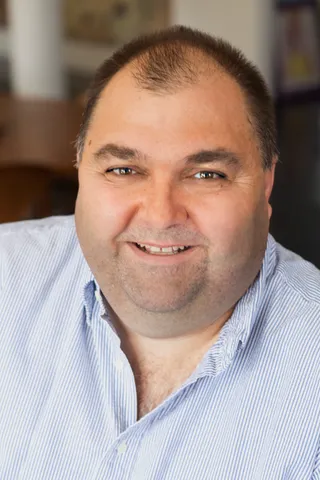
Write Now With James Ponti
Today's Write Now interview features James Ponti, New York Times bestselling author of CITY SPIES and SHERLOCK SOCIETY.
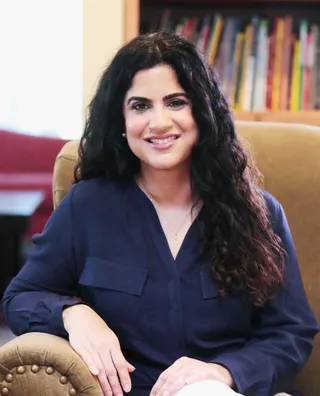
Write Now With Hena Khan
Today's Write Now interview features Hena Khan, middle grade and children’s author of DRAWING DEENA.
Write Now With Angie Elita Newell
Today's Write Now interview features Angie Elita Newell, First Nation author of ALL I SEE IS VIOLENCE.
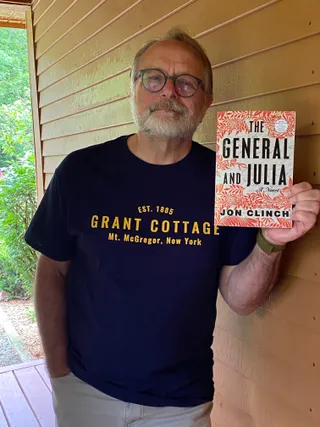
Write Now With Jon Clinch
Today's Write Now interview features Jon Clinch, former advertising copywriter and author of FINN and THE GENERAL AND JULIA.
Write Now With Melanie K. Moschella
Today's Write Now interview features Melanie K. Moschella, author of the five-book RAEK RIDERS SERIES, releasing on the same day.
Write Now With J.E. Tolbert
Today's Write Now interview features J.E. Tolbert, graphic designer and author of ARSALAN THE MAGNIFICENT.
Write Now With Kay Stephens
Today's Write Now interview features Kay Stephens, former corporate attorney and author of THE PORN STAR’S DAUGHTER.
Write Now With Liselle Sambury
Today's Write Now interview features Liselle Sambury, speculative fiction author of DELICIOUS MONSTERS.
Write Now With Karen Dionne
Today's Write Now interview features Karen Dionne, bestselling author of THE MARSH KING’S DAUGHTER and THE WICKED SISTER.
Write Now With Mignon Fogarty
Today's Write Now interview features Mignon Fogarty, host of the Grammar Girl podcast and author of GRAMMAR GIRL'S QUICK AND DIRTY TIPS FOR BETTER WRITING.
Write Now With Tracy Hewitt Meyer
Today's Write Now interview features Tracy Hewitt Meyer, award-winning author of GENERATION ANNIHILATION.

Write Now With R.L. Stine
Today's Write Now interview features R.L. Stine, legendary author of GOOSEBUMPS and SOMETHING STRANGE ABOUT MY BRAIN.
Write Now With Stuart Gibbs
Today's Write Now interview features Stuart Gibbs, mystery and adventure author of THE QUEST OF DANGER.
Write Now With Lauren Roberts
Today's Write Now interview features Lauren Roberts, author of POWERLESS.
Write Now With Rebecca Yarros
Today's Write Now interview features Rebecca Yarros, New York Times bestselling author of FOURTH WING and IRON FLAME.
Write Now With Paul Vidich
Today's Write Now interview features Paul Vidich, former music executive and author of six novels, including BEIRUT STATION.
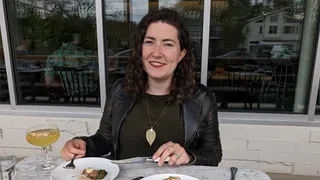
Write Now With Erin Cotter
Today's Write Now interview features Erin Cotter, young adult historical fiction author of BY ANY OTHER NAME.
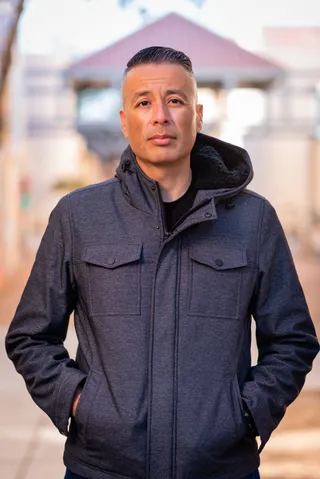
Write Now With Matt Mendez
Today's Write Now interview features Matt Mendez, author of THE BROKE HEARTS. Who are you?
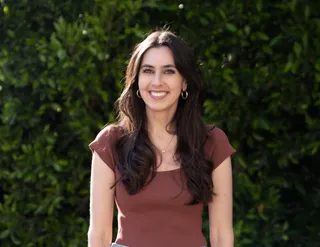
Write Now With Taylor Lorenz
Today's Write Now interview features Taylor Lorenz, technology reporter and author of EXTREMELY ONLINE: THE UNTOLD STORY OF FAME, INFLUENCE, AND POWER ON THE INTERNET.
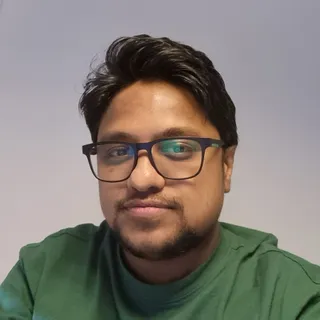
Write Now With Sachi Ediriweera
Today's Write Now interview features Sachi Ediriweera, a Sri Lankan designer, filmmaker, and the writer and artist of ENLIGHTENED. Who are you?
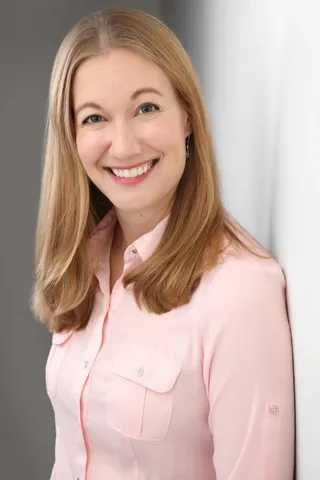
Write Now With Meredith Rusu
Today's Write Now interview features Meredith Rusu, children’s author for major franchises, and THERE’S A YETI IN MY TUMMY.
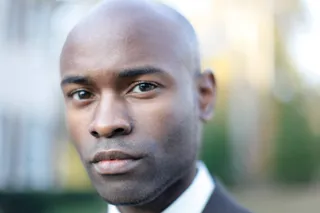
Write Now With Dwain Worrell
Today's Write Now interview features Dwain Worrell, a film and television writer for Marvel’s Iron Fish, CBS’s Fire Country, and the Disney+ series National Treasure.
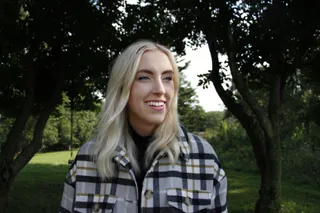
Write Now With Rachel Lippincott
Today's Write Now interview features Rachel Lippincott, author of FIVE FEET APART, SHE GETS THE GIRL, and PRIDE AND PREJUDICE AND PITTSBURGH.
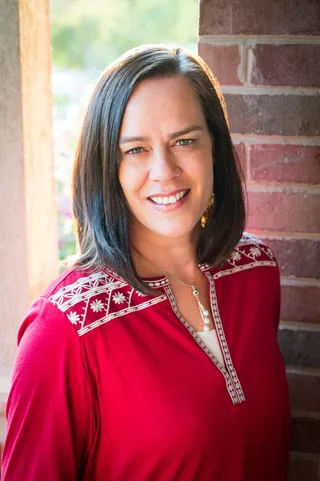
Write Now With Heather B. Moore
Today's Write Now interview features Heather B. Moore, historical fiction author of UNDER THE JAVA MOON.