Write Now with Ela Thier
Today's Write Now interview features Ela Thier, author of HOW TO FAIL AS AN ARTIST.

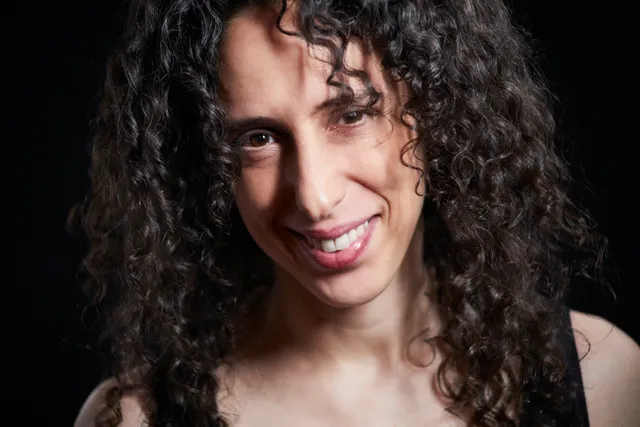
Who are you?
Ela Thier
Writer-Director, and Founding Director of The Independent Film School
Based in New York City
What do you write?
I’m a screenwriter. I write quirky comedies that crescendo into hopeful tear-jerkers. I got started writing when I first learned that the alphabet exists. I believe I was three. At that age I was writing stories and poems. When I was seven I wrote my first novel. When I was sixteen I wrote my first screenplay, and have been writing screenplays since (that was almost 40 years ago).
Themes I avoid: I don’t like work whose sole intention is to scare people. I also don’t like good guys / bad guys stories. In my stories, no one is pure good or pure evil. Every character is doing the best that they can, given the circumstance. I believe that’s true to life.
It feels odd to say that I love what I do. It would be like being asked, as a mom, if I love my kids. The answer “yes” really cover it…?
Where do you write?
Describe your writing environment. Include the tools, apps, notebooks, pens, etc. you prefer using.
When my husband and I joke about where we want our ashes scattered when we die, I always say I want them scattered in my home office. I write at home. At my desk. I love the feel of the clicking keyboard. I’m old enough that I began writing screenplays on a typewriter. I also spent years writing longhand; it was the best way out of writing blocks. But at this point – I love the speed of typing, and the very tactile feel of the keyboard at my fingertips. I’ve gotten so accustomed to it now, that I use screenplay format even when I journal. That’s why my book flows back and forth between prose and screenplay format.
When do you write?
Off season, I write in the mornings. I start some time between 5 and 7am, and I write til 9 or 10am. It’s when my brain is freshest, and the world is free of distractions.
“Off season” means I’m not under a deadline or focused on a long-term project that requires all of me.
During “writing season” (say someone I’m collaborating with is waiting on a script), I “go nuclear”. That means I shut the world off for 2-3 weeks and write full time. Eight hours a day. This often means having to disappoint people by making myself utterly unavailable. WiFi off during the day.
To do this, I do usually need to get away from the bustle and distractions of my home office. It’s daily trips to coffee shops, or an AirBnB in the country with a friend. We get away from the world and write. The “friend” part of it is important. If I went to the country by myself, I would get too distracted by the loneliness. Outside those eight hours, I need to check out the local diner, play cards, take a walk to the nearest creek, and get a lot of laughs in. This is something I try to do once every year or two.
Most recently, I discovered that long train rides are a great place to get hyper focused for long periods of time. My last screenplay was completed on a 40-hour train ride.
Why do you write?
Writing doesn’t feel like “something I do”. It’s who I am. In my memoir I describe early childhood memories (starting with infancy) that I believe led me down this path – the ways that my imagination and make-believe got me through tough times. Whatever the reasons are – writing and storytelling is what my brain is made of.
My “Big Why” is what fuels and motivates me. My personal mission statement is to do my part, as a writer and filmmaker, to transition human societies from ones organized around fear and greed, to ones organized around the needs of humanity and the planet – and to enjoy my life as I do so.
Writing and filmmaker accomplish both of these goals.
My films and my writing are designed to remind us of the best of humanity – our spunk, our caring, and our intelligence as a species.
How do you overcome writer's block?
Describe ways or routines that help you get going again.
The second most effective tool to handle writing blocks is freewriting. I used to set a timer and put words on the page, no matter what they are, until the timer goes off. These days I don’t use a timer any more. I just dump words on the page until I figure out what’s in there that wants to come out. Once I plug into that, whatever I’m writing just writes itself. I take dictation.
The foremost tool to handling writing blocks is involving other humans in the work. No writer enjoys that. You have to think of it like medicine: taste bad, but you have to take it.
Whether it’s scheduling a table read even before a script is ready (this pushes me to make sure it becomes ready!), or finding the courage to share a work in progress with one person that I trust, or paying for an AirBnB and inviting a friend to enjoy a week in the country that I pay for – these are just some of the ways that I applied my creativity to figuring out how to involve people in my work.
Isolation is the foremost reason that we get stuck. Involving people in our work is the ticket to creative freedom.
Bonus: What do you enjoy doing when not writing?
Every week, no matter how busy I am or what deadlines I’m under, I set it all aside and travel 1.5 hours each way to visit my niece and nephew.
Being around young people is a necessary weekly reminder of what it means to be human.
My thanks to Ela Thier for today's interview.
Support Justin Cox
Become a paid supporter to help keep Justin Cox accessible to everyone.
Related Reads

Write Now with Ela Thier
Today's Write Now interview features Ela Thier, author of HOW TO FAIL AS AN ARTIST.
Write Now with Tunisia Williams
Today's Write Now interview features Tunisia Williams, author of THE UNCLES.

Write Now with Tim Flood
Today's Write Now interview features Tim Flood, author of THE FLOWER OF CANAAN.
Write Now with Alex Sanchez
Today's Write Now interview features Alex Sanchez, author of RAINBOW BOYS.

Write Now with Robbie Couch
Today's Write Now interview features Robbie Couch, author of JUST THE GOOD PARTS.

Write Now with Beck Kubrick
Today's Write Now interview features Beck Kubrick, author of DEAD GIRLS.

Write Now with Les Carroll
Today's Write Now interview features Les Carroll, author of THIS TROUBLED GROUND.

Write Now with Olugbemisola Rhuday-Perkovich
Today's Write Now interview features Olugbemisola Rhuday-Perkovich, author of DAISY HELPS WITH THE DRESS.

Write Now with Ryan Douglass
Today's Write Now interview features Ryan Douglass, author of NIGHT OF MADNESS.
Write Now with Dinesh Thiru
Today's Write Now interview features Dinesh Thiru, author of MY KILLER FAMIY REUNION.

Write Now with Máire Roche
Today's Write Now interview features Máire Roche, author of LITTLE MONSTERS.
Write Now with Rachel Peterson
Today's Write Now interview features Rachel Peterson, author of KILLING SADIE.

Write Now with Jacqueline West
Today's Write Now interview features Jacqueline West, author of BLACK POINT.
Write Now with Shadra Strickland
Today's Write Now interview features Shadra Strickland, author of HERE COMES THE BAND.

Write Now with Perry Atwal
Today's Write Now interview features Perry Atwal, author of WISDOM FOR LIFE.

Write Now with Charlie Greenwald
Today's Write Now interview features Charlie Greenwald, author of JEFF O'LANTERN.

Write Now with Joe Denicholas
Today's Write Now interview features Joe Denicholas, author of SEEKING SANITY: HOW TO CULTIVATE PEACE, HAPPINESS, AND WELLBEING IN A WORLD GONE MAD.
Write Now with Ela Thier
Today's Write Now interview features Ela Thier, author of HOW TO FAIL AS AN ARTIST.

Write Now with Jennifer Pearson
Today's Write Now interview features Jennifer Pearson, author of DROP DEAD FAMOUS.
Write Now with Gideon Sterer
Today's Write Now interview features Gideon Sterer, author of THE UNDERWEARWOLF.

Write Now with Nada Yousif
Today's Write Now interview features Nada Yousif, author of THE ASTROLOGY OF HEALING: UNLOCKING OUR SACRED WOUNDS WITH THE WISDOM OF THE STARS.

Write Now with Dana Mele
Today's Write Now interview features Dana Mele, author of THE BEAST YOU LET IN.

Write Now with Sili Recio
Today's Write Now interview features Sili Recio

Write Now with Stacey Lee
Today's Write Now interview features Stacey Lee, author of HEIRESS OF NOWHERE.

Write Now with R.K. Harrington
Today's Write Now interview features R.K. Harrington, author of historical romance.

Write Now with Barbara Caver
Today's Write Now interview features Barbara Caver, author of TINY ESCAPES WITH BARB.

Write Now with Ahmad Saber
Today's Write Now interview features Ahmad Saber, author of RAMIN ABBAS HAS MAJOR QUESTIONS.

Write Now with Seema Yasmin
Today's Write Now interview features Seema Yasmin, author of THE TRUE STORY OF MAYSOON ZAYID.
Write Now with Tracy Wolff
Today's Write Now interview features Tracy Wolff, New York Times Bestselling Author of THE AFTERMYTH.
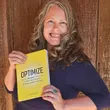
Write Now with Dr. Catherine Clinton
Today's Write Now interview features Dr. Catherine Clinton, author of OPTIMIZE: A GROUNDBREAKING 7-STEP PLAN TO HEALTH AND LONGEVITY THROUGH QUANTUM BIOLOGY.

Write Now with Maria Gianferrari
Today's Write Now interview features Maria Gianferrari, author of JUST ONE OAK.
Write Now with Dr. Alina Kastner
Today's Write Now interview features Dr. Alina Kastner, author of BREAK UP WITH NARCISSISM: HOW TO BREAK UP FREE AND STAY FREE.

Write Now with Chad Mitchell
Today's Write Now interview features Chad Mitchell, author of CHANGE YOUR GAME: EMPOWERING YOUNG LEADERS TO DITCH DOUBT, FIND THEIR VOICE, AND IMPACT THE WORLD.
Write Now with Katie Bernet
Today's Write Now interview features Katie Bernet, author of BETH IS DEAD.

Write Now with Simon Stephenson
Today's Write Now interview features Simon Stephenson, author of Pixar’s LUCA, PADDINGTON 2, and THE SNOWMAN CODE.

Write Now with JD Mathes
Today's Write Now interview features JD Mathes, author of OF TIME AND PUNISHMENT.

Write Now with Kelly Scarborough
Today's Write Now interview features Kelly Scarborough, author of BUTTERFLY GAMES.

Write Now with James McDevitt
Today's Write Now interview features James McDevitt, author of A WALK AMONG HEROES.

Write Now with Emily Redondo
Today's Write Now interview features Emily Redondo, author of WIFE MOTHER DRUNK: AN INTERGENERATIONAL MEMOIR OF LOSS AND LOVE.

Write Now with Bryan Gruley
Today's Write Now interview features Bryan Gruley, author of multiple books including STARVATION LAKE and BITTER FROST.
Write Now With Julie Berry
Today's Write Now interview features Julie Berry, author of IF LOOKS COULD KILL.

Write Now With Alexandra Brown Chang
Today's Write Now interview features Alexandra Brown Chang, author of BY INVITATION ONLY.

Write Now With Jeannine Atkins
Today's Write Now interview features Jeannine Atkins, author of KNOCKING ON WINDOWS.

Write Now With Joseph R Bronson
Today's Write Now interview features Joseph R. Bronson, author of PARDON ME.

Write Now With Rebecca Danzenbaker
Today's Write Now interview features Rebecca Danzenbaker, author of SOULMATCH.
Write Now With Justin Colón
Today's Write Now interview features Justin Colón, author of THE ZOMBEES and VAMPURR.

Write Now With Brittney Morris
Today's Write Now interview features Brittney Morris, author of THIS BOOK MIGHT BE ABOUT ZINNIA.

Write Now With Mark B. Perry
Today's Write Now interview features Mark B. Perry, Emmy, Golden Globe, and GLAAD Award-winning author of And Introducing Dexter Gaines.

Write Now With Adam Aresty
Today's Write Now interview features Adam Aresty, author of the SKYBOY series.

Write Now With J.A. Dauber
Today's Write Now interview features J.A. Dauber, author of PRESS 1 FOR INVASION.

Write Now With Paul Vidich
Today's Write Now interview features Paul Vidich, author of THE POET’S GAME.
Write Now With Jeanne Walker Harvey
Today's Write Now interview features Jeanne Walker Harvey, author of THE GLASS PYRAMID.

Write Now With Zander Hatch
Today's Write Now interview features Zander Hatch, author of ROSE ISLAND.
Write Now With Kyle Lukoff
Today's Write Now interview features Kyle Lukoff, author of ARE YOU A FRIEND OF DOROTHY?

Write Now With DeAndra Davis
Today's Write Now interview features DeAndra Davis, author of ALL THE NOISE AT ONCE.

Write Now With Nick Berg
Today's Write Now interview features Nick Berg, author of SHADOWS OF TEHRAN.

Write Now With Kellan McDaniel
Today's Write Now interview features Kellan McDaniel, author of TILL DEATH.

Write Now With Lee Wilson
Today's Write Now interview features Lee Wilson, author of WOMEN’S CRUSADER: CATHARINE BEECHER’S UNTOLD STORY.

Write Now With Emma Otheguy
Today's Write Now interview features Emma Otheguy, author of COUSINS IN THE TIME OF MAGIC.

Write Now With Kaz Windness
Today's Write Now interview features Kaz Windness, author and illustrator of BITSY BAT, TEAM STAR.
Write Now With Erika Swyler
Today's Write Now interview features Erika Swyler, author of WE LIVED ON THE HORIZON.

Write Now With Gloria L. Huang
Today's Write Now interview features Gloria L. Huang, author of KAYA OF THE OCEAN.

Write Now With Elba Luz
Today's Write Now interview features Elba Luz, YA author of BUILD A GIRLFRIEND.

Write Now With Umberto Nardolicci
Today's Write Now interview features Umberto Nardolicci, author of EYE OF THE NOMAD.

Write Now With Shannon Messenger
Today's Write Now interview features Shannon Messenger, author of the KEEPER OF THE LOST CITIES series.

Write Now With Margaret Dulaney
Today's Write Now interview features Margaret Dulaney, author of WHIPPOORWILL WILLINGLY.
Write Now With Julia Marie Davis
Today's Write Now interview features Julia Marie Davis, author of CATBIRD and ECHOES OF FERLINGHETTI.

Write Now With Colleen Oakes
Today's Write Now interview features Colleen Oakes, author of ELEVEN HOUSES.
Write Now With Anya Gillinson
Today's Write Now interview features Anya Gillinson, author of DREAMING IN RUSSIAN.

Write Now With Meredith Seacrest Leach
Today's Write Now interview features Meredith Seacrest Leach, executive director of the Ryan Seacrest Foundation and author of THE MAKE-BELIEVERS.
Write Now With Ariel Bernstein
Today's Write Now interview features Ariel Bernstein, children’s author of I HAVE A BALLOON and MABEL WANTS A FRIEND.
Write Now With Michael P. Spradlin
Today's Write Now interview features Michael P. Spradlin, New York Times best-selling author of RISE OF THE SPIDER.

Write Now With Ciera Burch
Today's Write Now interview features Ciera Burch, Dungeons & Dragons aficionado and author of CAMP TWISTED PINE.

Write Now With Gayle Forman
Today's Write Now interview features Gayle Forman, New York Times bestselling author of IF I STAY and NOT NOTHING.

Write Now With Christine Virnig
Today's Write Now interview features Christine Virnig, former physician, current librarian, and author of A BITE ABOVE THE REST.

Write Now With Jordan Kopy
Today's Write Now interview features Jordan Kopy, middle-grade author of THEODORA HENDRIX AND THE MONSTROUS LEAGUE OF MONSTERS.

Write Now With Alicia M. Rodriguez
Today's Write Now interview features Alicia M. Rodriguez, author of THE SHAMAN’S WIFE: A MYSTICAL JOURNEY OF SURRENDER AND SELF-DISCOVERY.

Write Now With Karen Hill Anton
Today's Write Now interview features Karen Hill Anton, author and newspaper columnist living in Japan.

Write Now With Jeffrey Dunn
Today's Write Now interview features Jeffrey Dunn, an award-winning English teacher and author.
Write Now With Anne Montgomery
Today's Write Now interview features Anne Montgomery, an author from Arizona who also spends time in St. Corix.

Write Now With Jane Buckingham
Today's Write Now interview features Jane Buckingham, a trend forecaster and author.
Write Now With Caroline Palmer
Today's Write Now interview features Caroline Palmer, comic creator and author of CAMP PRODIGY.

Write Now With Rachel Lynn Solomon
Today's Write Now interview features Rachel Lynn Solomon, Amsterdam-based author of PAST PRESENT FUTURE and TODAY TONIGHT TOMORROW.
Write Now With Desmond Hall
Today's Write Now interview features Desmond Hall, living in “quiet desperation” and author of BETTER MUST COME.

Write Now With M.M. Downing and S.J. Waugh
Today's Write Now interview features M.M. Downing and S.J. Waugh, co-authors of THE ADVENTURES OF THE FLASH GANG.

Write Now With Joe Jiménez
Today's Write Now interview features Joe Jiménez, high school English teacher and author of HOT BOY SUMMER.
Write Now With Chloe O. Davis
Today's Write Now interview features Chloe O. Davis, Broadway performer and author of The Queens’ English, The Young Readers’ LGBTQIA+ Dictionary of Lingo and Colloquial Phrases.
Write Now With Janice Lynn Mather
Today's Write Now interview features Janice Lynn Mather, Bahamian-Canadian author of WHERE WAS GOODBYE

Write Now With Marisa Kanter
Today's Write Now interview features Marisa Kanter, author of AS IF ON CUE and FINALLY FITZ.

Write Now With Alicia D. Williams
Today's Write Now interview features Alicia D. Williams, author of a new novel told in verse, MID AIR.

Write Now With Jim Wilson
Today's Write Now interview features Jim Wilson, the “piano tuner to the stars,” recording artist, and author of TUNED IN: MEMOIRS OF A PIANO MAN.

Write Now With Alysson Foti Bourque
Today's Write Now interview features Alysson Foti Bourque, an elementary education educator and author of THE ALYCAT SERIES.

Write Now With Monica McGurk
Today's Write Now interview features Monica McGurk, corporate CEO and award-winning author of THE AGENCY.

Write Now With Glenn Miller
Today's Write Now interview features Glenn Miller, former TV production manager and author of the forthcoming novel DOORMAN WANTED.
Write Now With C. L. Lauder
Today's Write Now interview features C. L. Lauder, YA author of THE QUELLING trilogy.

Write Now With Bethany Mangle
Today's Write Now interview features Bethany Mangle, author of CONDITIONS OF A HEART.

Write Now With Clay Stafford
Today's Write Now interview features Clay Stafford, author and founder of the Killer Nashville Writers’ Conference.

Write Now With Douglas Harris
Today's Write Now interview features Douglas Harris, a children’s author who writes with his two daughters as co-authors.
Write Now With James Ponti
Today's Write Now interview features James Ponti, New York Times bestselling author of CITY SPIES and SHERLOCK SOCIETY.

Write Now With Hena Khan
Today's Write Now interview features Hena Khan, middle grade and children’s author of DRAWING DEENA.

Write Now With Angie Elita Newell
Today's Write Now interview features Angie Elita Newell, First Nation author of ALL I SEE IS VIOLENCE.