Write Now with Shadra Strickland
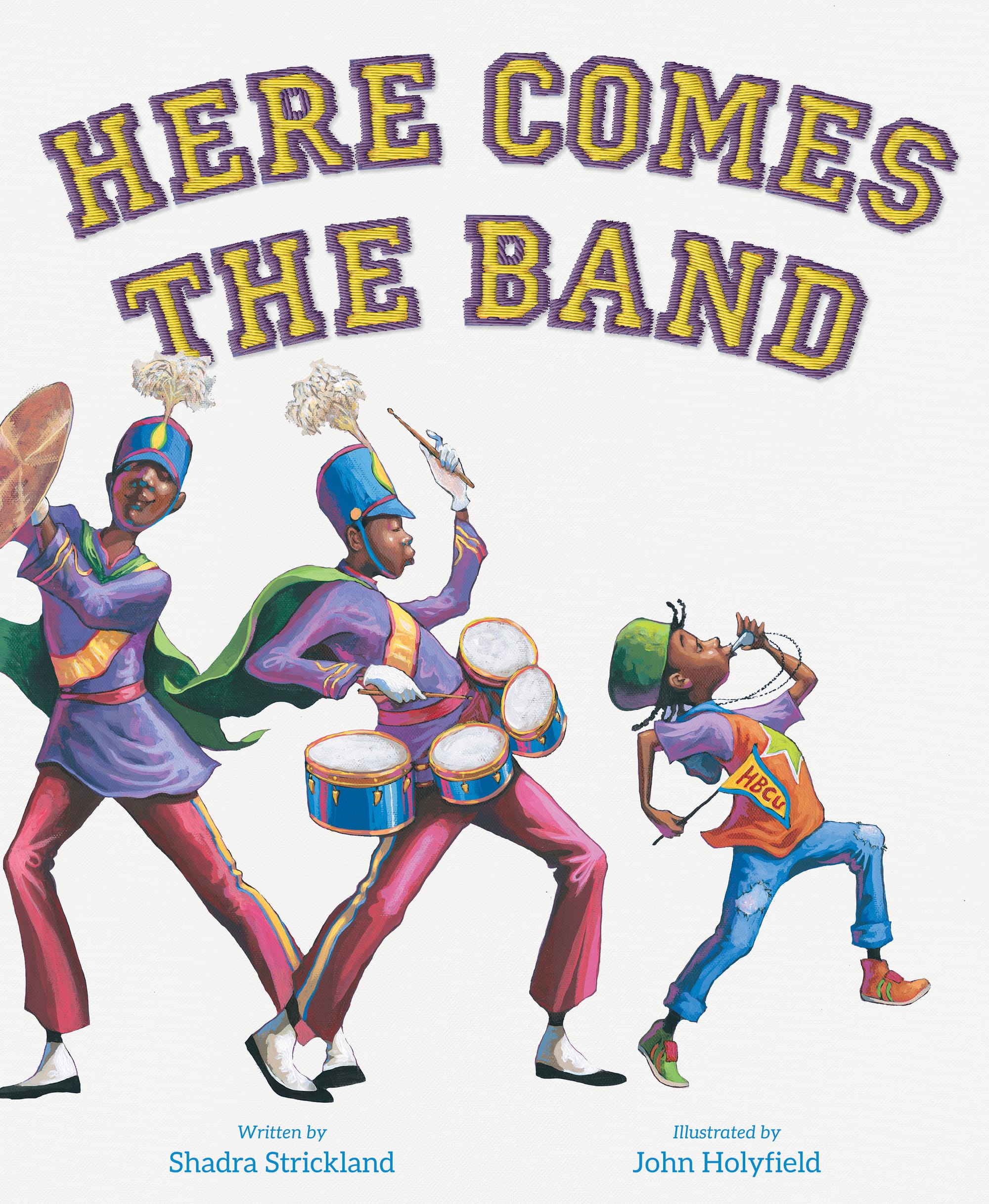
Today's Write Now interview features Shadra Strickland, author of HERE COMES THE BAND.

Who are you?
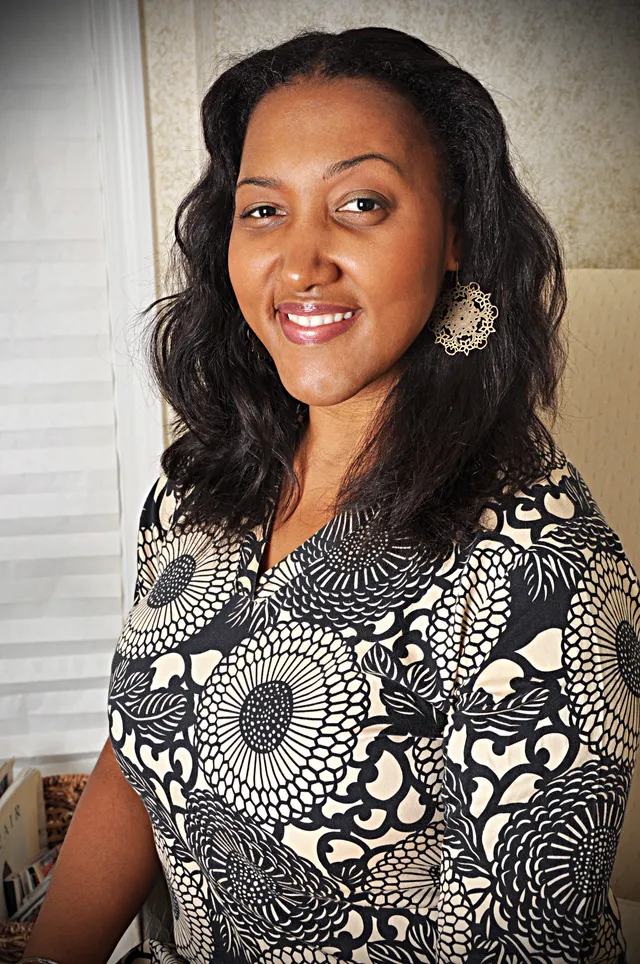
Hello there! I am Shadra Strickland, author/illustrator and Chair of Illustration at the Maryland Institute College of Art.
What do you write?
I write picture books and poetry for now.
Though I’ve been illustrating books since 2009, my writing didn’t take off until years later. My mother was an English teacher, so reading and writing were a part of my childhood daily life.
The stories that I have published are big, loud rallying calls to play and center around joy and community. Most reflect my own childhood experiences. Though I am beginning to expand and write about subjects that are somewhat less familiar, there will always be some hint of my experience as a child in the South. The joy, the sunshine, the big-heartedness, the ease of language that shows up in my work - that is all directly tied to my upbringing in Atlanta, GA. The next few stories that I have written are in prose rather than the two rhythmic texts that have been published - they will focus more on relationships and small moments rather than the big bold books that I currently write.
Creating is not easy. Writing comes slightly easier to me than illustrating – think sprint vs marathon - but they both have their pain points. The spark of an idea is always exciting, and being in the ideation and research space can help that idea take shape as beautiful and unexpected gems. There are moments of great joy when something comes out the way that I envision it in my head, but more often than not, the journey is perilous and riddled with self-doubt. When I have crossed the finish line and the final book shows up at my door, I can tap into the magic of it all, and yes, I do end up loving it.
Where do you write?
The initial writing can happen just about anywhere - trains, cafes, dining room table, etc- though I never write in my art studio. The work of finishing a manuscript and editing happens in my office at a black desk lacquered in big beautiful flowers. One day I’ll write something romantic to do the desk justice.
My notes begin on paper. I use a Hobonichi Techo planner (if you know, you know) and a commonplace notebook where I journal and jot down ideas. I write with a bright yellow Lamy fountain pen. When I am doing research online, I use the Notes app to save links and jot down ideas. I type up my manuscripts in Word.
When do you write?
If an idea is hot, I tend to stick with it until I have a decent draft, which usually takes half a day or so. I edit for days after that until the story is complete enough to send to my agent for feedback. From there, I may make a few more changes to it before writing a query letter and sending it to my editor. I have found that writing my own query letters or author’s notes helps me fully understand the intention behind the story I’m trying to write. If my story doesn’t align with the pitch, or if the pitch is unclear or meanders on paper, it usually means my story lacks focus and signals to me to go back and edit again.
The total process is about two weeks. I have to negotiate my time between my job at the institution- so when I do write, I have to sit my self-doubt in a corner and get the thing down.
Why do you write?
I write because it’s fun. I enjoy language. I like the poetry and musicality of the thing. I like being able to make a reader feel the joy and colors of an experience.
There’s also service to ego. I grew up being told I was gifted. What a shame it would be to waste that. The reward center in my brain is directly tied to what I can accomplish as an artist. If I didn’t create, I imagine that I’d seek that dopamine through overconsumption and would probably fall into darker corners of life. Being creative and sharing my work is my salvation.
How do you overcome writer's block?
I believe that the creative mind needs steady stimulation and periods of rest. When my mother passed in 2017, I needed to rest. I tried to make work, but I wasn’t creating as my usual self and had to honor the great spiritual untethering that happened during that time. So, I still made things, but at a much slower pace, and it was okay. It took me about three years to finally begin to feel like myself again.
But sure, there are days when I just don’t have it. I'll still sit in my studio and stare at the blank page for hours (or play a dumb game on my phone or doomscroll) until something trickles out. I am at my best first thing in the morning, and a ritual certainly helps. If things are going poorly, I jump on my rowing machine for a while. I find that it helps to get out of my head and burn up that stale energy with movement. And when I really just ain't got it, I’ll head to my basement, turn on Netflix and empty my brain. Then I’m back in the studio the next morning - unless I have to teach. If I am teaching the next day I will drag myself off the couch and work for at least a couple of hours before bed.
For many years when I was running, I’d post “Run…coffee…work….” to Facebook as soon as I’d wake up - mainly as a way to program my brain for what was ahead and help me focus.
A few years after that, when I began taking on more responsibility at my day job and found myself being less productive creatively, I began making graphs in my journal with washi tape of how I was actually spending my time - the hours I spent creating, my work at the institution, and my time goofing off. It was humbling. I realized then that I spent more time talking about how much work I had to do and how tired I was rather than having my butt in the chair working. Now, instead of counting the minutes or hours in my day. I focus more on the big tasks and the overall time I have to complete them, with a different kind of awareness.
It has become popular for people to self-diagnose their ADHD or neurodivergence. I believe most creatives are in tune with how we are wired differently. If I don’t contain my creative energy, it will spill out all over the place. I’d never finish anything and would be a bit miserable, chaotic, and mean. My routine now is to be up at 7. I try to work out shortly after waking, before my brain realizes what I’m doing to my body - either a walk with my dog or a row and calisthenics in my modest home gym/attic. Then a quick breakfast (I’m addicted to dates these days) and coffee. I’m in the studio by 9 or 10. Mid-day is the treacherous time where nothing wants to get done. I may force the focus by rowing for a few minutes or doing some productive procrastination - admin, writing, research, etc. Then I am usually at the drawing table again for a few hours after dinner. Bed is at 11, but can spill over to 1 in the morning if I’m on a deadline. I am always up at 7 AM with or without an alarm.
Rituals help, but they can also be reevaluated and reinvented.
Bonus: What do you enjoy doing when not writing?
When I’m not writing or drawing, I am reading, exploring, writing, and drawing in a different city.
My thanks to Shadra Strickland for today's interview.
Support Justin Cox
Become a paid supporter to help keep Justin Cox accessible to everyone.
Related Reads
Write Now with Shadra Strickland
Today's Write Now interview features Shadra Strickland, author of HERE COMES THE BAND.
Write Now with Alex Sanchez
Today's Write Now interview features Alex Sanchez, author of RAINBOW BOYS.

Write Now with Robbie Couch
Today's Write Now interview features Robbie Couch, author of JUST THE GOOD PARTS.

Write Now with Beck Kubrick
Today's Write Now interview features Beck Kubrick, author of DEAD GIRLS.

Write Now with Les Carroll
Today's Write Now interview features Les Carroll, author of THIS TROUBLED GROUND.

Write Now with Olugbemisola Rhuday-Perkovich
Today's Write Now interview features Olugbemisola Rhuday-Perkovich, author of DAISY HELPS WITH THE DRESS.

Write Now with Ryan Douglass
Today's Write Now interview features Ryan Douglass, author of NIGHT OF MADNESS.
Write Now with Dinesh Thiru
Today's Write Now interview features Dinesh Thiru, author of MY KILLER FAMIY REUNION.

Write Now with Máire Roche
Today's Write Now interview features Máire Roche, author of LITTLE MONSTERS.
Write Now with Rachel Peterson
Today's Write Now interview features Rachel Peterson, author of KILLING SADIE.
Write Now with Jacqueline West
Today's Write Now interview features Jacqueline West, author of BLACK POINT.
Write Now with Shadra Strickland
Today's Write Now interview features Shadra Strickland, author of HERE COMES THE BAND.

Write Now with Perry Atwal
Today's Write Now interview features Perry Atwal, author of WISDOM FOR LIFE.

Write Now with Charlie Greenwald
Today's Write Now interview features Charlie Greenwald, author of JEFF O'LANTERN.

Write Now with Joe Denicholas
Today's Write Now interview features Joe Denicholas, author of SEEKING SANITY: HOW TO CULTIVATE PEACE, HAPPINESS, AND WELLBEING IN A WORLD GONE MAD.

Write Now with Ela Thier
Today's Write Now interview features Ela Thier, author of HOW TO FAIL AS AN ARTIST.

Write Now with Jennifer Pearson
Today's Write Now interview features Jennifer Pearson, author of DROP DEAD FAMOUS.
Write Now with Gideon Sterer
Today's Write Now interview features Gideon Sterer, author of THE UNDERWEARWOLF.

Write Now with Nada Yousif
Today's Write Now interview features Nada Yousif, author of THE ASTROLOGY OF HEALING: UNLOCKING OUR SACRED WOUNDS WITH THE WISDOM OF THE STARS.

Write Now with Dana Mele
Today's Write Now interview features Dana Mele, author of THE BEAST YOU LET IN.

Write Now with Sili Recio
Today's Write Now interview features Sili Recio

Write Now with Stacey Lee
Today's Write Now interview features Stacey Lee, author of HEIRESS OF NOWHERE.

Write Now with R.K. Harrington
Today's Write Now interview features R.K. Harrington, author of historical romance.

Write Now with Barbara Caver
Today's Write Now interview features Barbara Caver, author of TINY ESCAPES WITH BARB.

Write Now with Ahmad Saber
Today's Write Now interview features Ahmad Saber, author of RAMIN ABBAS HAS MAJOR QUESTIONS.

Write Now with Seema Yasmin
Today's Write Now interview features Seema Yasmin, author of THE TRUE STORY OF MAYSOON ZAYID.
Write Now with Tracy Wolff
Today's Write Now interview features Tracy Wolff, New York Times Bestselling Author of THE AFTERMYTH.
Write Now with Dr. Catherine Clinton
Today's Write Now interview features Dr. Catherine Clinton, author of OPTIMIZE: A GROUNDBREAKING 7-STEP PLAN TO HEALTH AND LONGEVITY THROUGH QUANTUM BIOLOGY.
Write Now with Maria Gianferrari
Today's Write Now interview features Maria Gianferrari, author of JUST ONE OAK.
Write Now with Dr. Alina Kastner
Today's Write Now interview features Dr. Alina Kastner, author of BREAK UP WITH NARCISSISM: HOW TO BREAK UP FREE AND STAY FREE.

Write Now with Chad Mitchell
Today's Write Now interview features Chad Mitchell, author of CHANGE YOUR GAME: EMPOWERING YOUNG LEADERS TO DITCH DOUBT, FIND THEIR VOICE, AND IMPACT THE WORLD.
Write Now with Katie Bernet
Today's Write Now interview features Katie Bernet, author of BETH IS DEAD.

Write Now with Simon Stephenson
Today's Write Now interview features Simon Stephenson, author of Pixar’s LUCA, PADDINGTON 2, and THE SNOWMAN CODE.

Write Now with JD Mathes
Today's Write Now interview features JD Mathes, author of OF TIME AND PUNISHMENT.

Write Now with Kelly Scarborough
Today's Write Now interview features Kelly Scarborough, author of BUTTERFLY GAMES.

Write Now with James McDevitt
Today's Write Now interview features James McDevitt, author of A WALK AMONG HEROES.

Write Now with Emily Redondo
Today's Write Now interview features Emily Redondo, author of WIFE MOTHER DRUNK: AN INTERGENERATIONAL MEMOIR OF LOSS AND LOVE.

Write Now with Bryan Gruley
Today's Write Now interview features Bryan Gruley, author of multiple books including STARVATION LAKE and BITTER FROST.
Write Now With Julie Berry
Today's Write Now interview features Julie Berry, author of IF LOOKS COULD KILL.

Write Now With Alexandra Brown Chang
Today's Write Now interview features Alexandra Brown Chang, author of BY INVITATION ONLY.

Write Now With Jeannine Atkins
Today's Write Now interview features Jeannine Atkins, author of KNOCKING ON WINDOWS.

Write Now With Joseph R Bronson
Today's Write Now interview features Joseph R. Bronson, author of PARDON ME.

Write Now With Rebecca Danzenbaker
Today's Write Now interview features Rebecca Danzenbaker, author of SOULMATCH.
Write Now With Justin Colón
Today's Write Now interview features Justin Colón, author of THE ZOMBEES and VAMPURR.

Write Now With Brittney Morris
Today's Write Now interview features Brittney Morris, author of THIS BOOK MIGHT BE ABOUT ZINNIA.

Write Now With Mark B. Perry
Today's Write Now interview features Mark B. Perry, Emmy, Golden Globe, and GLAAD Award-winning author of And Introducing Dexter Gaines.

Write Now With Adam Aresty
Today's Write Now interview features Adam Aresty, author of the SKYBOY series.

Write Now With J.A. Dauber
Today's Write Now interview features J.A. Dauber, author of PRESS 1 FOR INVASION.

Write Now With Paul Vidich
Today's Write Now interview features Paul Vidich, author of THE POET’S GAME.
Write Now With Jeanne Walker Harvey
Today's Write Now interview features Jeanne Walker Harvey, author of THE GLASS PYRAMID.

Write Now With Zander Hatch
Today's Write Now interview features Zander Hatch, author of ROSE ISLAND.
Write Now With Kyle Lukoff
Today's Write Now interview features Kyle Lukoff, author of ARE YOU A FRIEND OF DOROTHY?

Write Now With DeAndra Davis
Today's Write Now interview features DeAndra Davis, author of ALL THE NOISE AT ONCE.

Write Now With Nick Berg
Today's Write Now interview features Nick Berg, author of SHADOWS OF TEHRAN.

Write Now With Kellan McDaniel
Today's Write Now interview features Kellan McDaniel, author of TILL DEATH.

Write Now With Lee Wilson
Today's Write Now interview features Lee Wilson, author of WOMEN’S CRUSADER: CATHARINE BEECHER’S UNTOLD STORY.
Write Now With Emma Otheguy
Today's Write Now interview features Emma Otheguy, author of COUSINS IN THE TIME OF MAGIC.

Write Now With Kaz Windness
Today's Write Now interview features Kaz Windness, author and illustrator of BITSY BAT, TEAM STAR.
Write Now With Erika Swyler
Today's Write Now interview features Erika Swyler, author of WE LIVED ON THE HORIZON.

Write Now With Gloria L. Huang
Today's Write Now interview features Gloria L. Huang, author of KAYA OF THE OCEAN.

Write Now With Elba Luz
Today's Write Now interview features Elba Luz, YA author of BUILD A GIRLFRIEND.

Write Now With Umberto Nardolicci
Today's Write Now interview features Umberto Nardolicci, author of EYE OF THE NOMAD.

Write Now With Shannon Messenger
Today's Write Now interview features Shannon Messenger, author of the KEEPER OF THE LOST CITIES series.

Write Now With Margaret Dulaney
Today's Write Now interview features Margaret Dulaney, author of WHIPPOORWILL WILLINGLY.
Write Now With Julia Marie Davis
Today's Write Now interview features Julia Marie Davis, author of CATBIRD and ECHOES OF FERLINGHETTI.
Write Now With Colleen Oakes
Today's Write Now interview features Colleen Oakes, author of ELEVEN HOUSES.
Write Now With Anya Gillinson
Today's Write Now interview features Anya Gillinson, author of DREAMING IN RUSSIAN.

Write Now With Meredith Seacrest Leach
Today's Write Now interview features Meredith Seacrest Leach, executive director of the Ryan Seacrest Foundation and author of THE MAKE-BELIEVERS.
Write Now With Ariel Bernstein
Today's Write Now interview features Ariel Bernstein, children’s author of I HAVE A BALLOON and MABEL WANTS A FRIEND.
Write Now With Michael P. Spradlin
Today's Write Now interview features Michael P. Spradlin, New York Times best-selling author of RISE OF THE SPIDER.
Write Now With Ciera Burch
Today's Write Now interview features Ciera Burch, Dungeons & Dragons aficionado and author of CAMP TWISTED PINE.

Write Now With Gayle Forman
Today's Write Now interview features Gayle Forman, New York Times bestselling author of IF I STAY and NOT NOTHING.

Write Now With Christine Virnig
Today's Write Now interview features Christine Virnig, former physician, current librarian, and author of A BITE ABOVE THE REST.

Write Now With Jordan Kopy
Today's Write Now interview features Jordan Kopy, middle-grade author of THEODORA HENDRIX AND THE MONSTROUS LEAGUE OF MONSTERS.

Write Now With Alicia M. Rodriguez
Today's Write Now interview features Alicia M. Rodriguez, author of THE SHAMAN’S WIFE: A MYSTICAL JOURNEY OF SURRENDER AND SELF-DISCOVERY.

Write Now With Karen Hill Anton
Today's Write Now interview features Karen Hill Anton, author and newspaper columnist living in Japan.

Write Now With Jeffrey Dunn
Today's Write Now interview features Jeffrey Dunn, an award-winning English teacher and author.
Write Now With Anne Montgomery
Today's Write Now interview features Anne Montgomery, an author from Arizona who also spends time in St. Corix.

Write Now With Jane Buckingham
Today's Write Now interview features Jane Buckingham, a trend forecaster and author.
Write Now With Caroline Palmer
Today's Write Now interview features Caroline Palmer, comic creator and author of CAMP PRODIGY.

Write Now With Rachel Lynn Solomon
Today's Write Now interview features Rachel Lynn Solomon, Amsterdam-based author of PAST PRESENT FUTURE and TODAY TONIGHT TOMORROW.
Write Now With Desmond Hall
Today's Write Now interview features Desmond Hall, living in “quiet desperation” and author of BETTER MUST COME.

Write Now With M.M. Downing and S.J. Waugh
Today's Write Now interview features M.M. Downing and S.J. Waugh, co-authors of THE ADVENTURES OF THE FLASH GANG.

Write Now With Joe Jiménez
Today's Write Now interview features Joe Jiménez, high school English teacher and author of HOT BOY SUMMER.
Write Now With Chloe O. Davis
Today's Write Now interview features Chloe O. Davis, Broadway performer and author of The Queens’ English, The Young Readers’ LGBTQIA+ Dictionary of Lingo and Colloquial Phrases.
Write Now With Janice Lynn Mather
Today's Write Now interview features Janice Lynn Mather, Bahamian-Canadian author of WHERE WAS GOODBYE

Write Now With Marisa Kanter
Today's Write Now interview features Marisa Kanter, author of AS IF ON CUE and FINALLY FITZ.

Write Now With Alicia D. Williams
Today's Write Now interview features Alicia D. Williams, author of a new novel told in verse, MID AIR.
Write Now With Jim Wilson
Today's Write Now interview features Jim Wilson, the “piano tuner to the stars,” recording artist, and author of TUNED IN: MEMOIRS OF A PIANO MAN.

Write Now With Alysson Foti Bourque
Today's Write Now interview features Alysson Foti Bourque, an elementary education educator and author of THE ALYCAT SERIES.

Write Now With Monica McGurk
Today's Write Now interview features Monica McGurk, corporate CEO and award-winning author of THE AGENCY.

Write Now With Glenn Miller
Today's Write Now interview features Glenn Miller, former TV production manager and author of the forthcoming novel DOORMAN WANTED.
Write Now With C. L. Lauder
Today's Write Now interview features C. L. Lauder, YA author of THE QUELLING trilogy.

Write Now With Bethany Mangle
Today's Write Now interview features Bethany Mangle, author of CONDITIONS OF A HEART.
Write Now With Clay Stafford
Today's Write Now interview features Clay Stafford, author and founder of the Killer Nashville Writers’ Conference.

Write Now With Douglas Harris
Today's Write Now interview features Douglas Harris, a children’s author who writes with his two daughters as co-authors.
Write Now With James Ponti
Today's Write Now interview features James Ponti, New York Times bestselling author of CITY SPIES and SHERLOCK SOCIETY.

Write Now With Hena Khan
Today's Write Now interview features Hena Khan, middle grade and children’s author of DRAWING DEENA.

Write Now With Angie Elita Newell
Today's Write Now interview features Angie Elita Newell, First Nation author of ALL I SEE IS VIOLENCE.
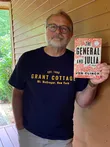
Write Now With Jon Clinch
Today's Write Now interview features Jon Clinch, former advertising copywriter and author of FINN and THE GENERAL AND JULIA.
Write Now With Melanie K. Moschella
Today's Write Now interview features Melanie K. Moschella, author of the five-book RAEK RIDERS SERIES, releasing on the same day.